
What is a VPN? A Simple Guide for UK Users (2026 Edition)
Start here
What exactly is a VPN?
A VPN, or Virtual Private Network, is a secure connection between your device and a remote server. Instead of sending your traffic openly through your normal route, the VPN encrypts it first. That means your internet provider, the owner of a public hotspot, or another person on the same network gets a much less useful view of what you are doing online.
In plain language, a VPN does three practical things. It encrypts your connection, swaps your visible IP address for the IP address of the VPN server, and gives you a more private route to the wider internet. If you want the broader technical picture, start with related guides on VPN protocols and which VPN server to choose.
Why would a normal UK user need a VPN?
Public Wi‑Fi
At a café, hotel, airport or train station, a VPN makes your connection much harder to inspect. That matters if you sign in to email, banking or shopping accounts on the move. See VPN for public Wi‑Fi.
ISP privacy
Without a VPN, your provider still knows a lot about your browsing patterns. A VPN does not make you invisible, but it reduces how readable that activity is to your ISP.
Phones and laptops
A VPN is not just for desktops. It is just as relevant on an iPhone, Android phone, Windows PC or Mac.
Streaming and travel
People also use VPNs when travelling or when they want a more reliable way to access services from another region. Start with VPN for streaming or VPN for Netflix.
Want the short practical answer?
If your priorities are privacy, safer public Wi‑Fi, clear apps on every device and a sensible long-term price in pounds, these are the three names most people compare first.
Disclosure: these are partner links, at no extra cost to you.
Public Wi‑Fi, coffee shops and trains
Most people do not start thinking about VPNs because of advanced privacy theory. They start because they are using station Wi‑Fi, a hotel login page, airport internet or a coffee shop network and realise they are signing in to important accounts over infrastructure they do not control.
That is where a VPN earns its keep. It is a protective layer between your device and the local network. On a practical level, that means safer browsing when you check your bank, organise travel, reply to work emails or sign into shopping accounts from outside home. Read more in our guide to public Wi‑Fi protection.
Are VPNs legal in Britain?
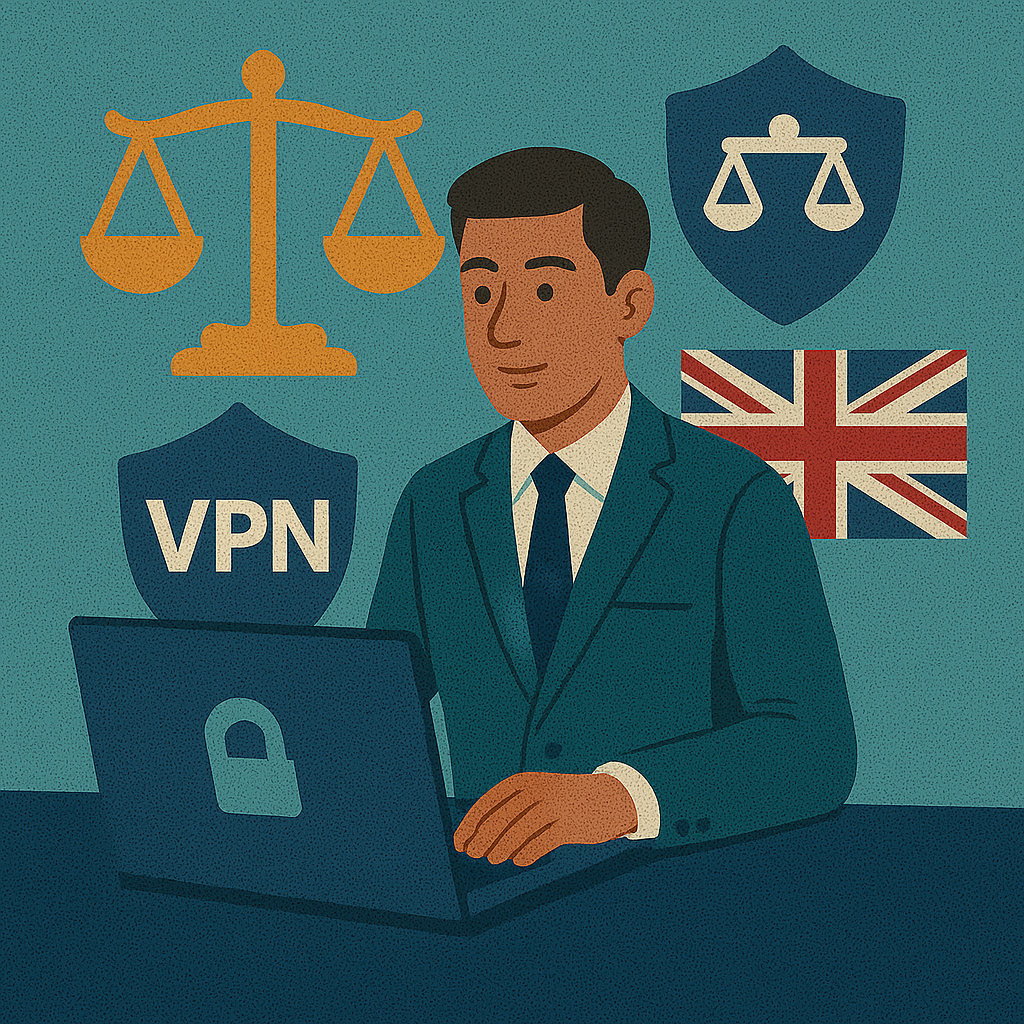
Yes. VPNs are legal in the United Kingdom. They are used by businesses, journalists, travellers, students and ordinary households. The tool itself is not the problem; what matters is how it is used. A VPN is a privacy and security product, not a licence to break the law.
That distinction matters because many beginners mix up “private” with “illegal”. A VPN is closer to a digital privacy screen than anything exotic. If you want a dedicated explainer, read Are VPNs legal in the UK?.
That said, a VPN is not a substitute for judgement. It does not remove website rules, platform terms, or wider legal responsibilities. It simply makes your normal traffic harder to inspect and your connection safer in ordinary use.
How VPNs work on phones, laptops and smart TVs
One reason the “What is a VPN?” query has changed is that people no longer use a single computer. They move between iPhones, Android handsets, Windows laptops, Macs and smart TVs. That changes the explanation, because a good VPN is not just a server somewhere — it is also the app experience on every device you actually use.
On phones, the value is obvious: safer banking, safer messaging and fewer worries when you hop between mobile data and public Wi‑Fi. On laptops, the value is often privacy plus remote access plus general network hygiene. On a smart TV, it tends to be about region changes and home-network routing. That is why we keep separate guides for Android, iPhone and iPad, Windows, Mac and smart TV.
Quick video: VPN basics
If the embed does not load, watch it directly on YouTube.
VPN essentials for UK users in 2026
| Feature | Without VPN | With a premium VPN |
|---|---|---|
| Privacy | Provider has a clearer picture of your browsing patterns | Traffic is encrypted and much less readable in transit |
| Public Wi‑Fi | Higher exposure to unsafe or badly configured networks | Encrypted tunnel makes routine use much safer |
| Streaming | Limited to your normal region and route | More flexibility when travelling or changing region |
| Legal status | Ordinary internet connection | VPN use is legal in the UK |
| Price | “Free”, but often with more exposure | From roughly £2 to £3.50 per month on longer plans |
The exact price depends on plan length and current promotions. The more useful comparison is not “free vs paid” in the abstract, but whether the app is reliable on your own devices and networks.
The digital tunnel explained
- Your device connects to the VPN app first.
- The traffic is encrypted before it leaves the device.
- Your provider sees the connection, but not the normal page-by-page detail in the same way.
- The VPN server presents a different IP address to the wider internet.
Frequently asked questions about VPNs in Britain
Is a VPN illegal in the UK?
No. VPNs are legal in the UK and are used for privacy, business security and safer browsing on ordinary networks.
How do I turn on my VPN?
Install the app, sign in and tap the Quick Connect button. On most modern apps, that is enough to start the encrypted connection.
Can I use a VPN for free?
Yes, but free services often come with limits. A reputable free tier can be useful, while unknown free VPNs are often poor value.
What is a VPN used for?
Privacy, safer public Wi‑Fi, remote access, travel, streaming and protecting phones or laptops on networks you do not control.
What is a VPN on my phone?
It is an app that encrypts your traffic on Wi‑Fi and mobile data, helping protect routine tasks such as banking, messaging and browsing.
How much does a VPN cost?
Longer plans often work out at around £1.80 to £3.50 per month, while short monthly plans are usually much higher.
Can a VPN help on public Wi‑Fi?
Yes. That is one of the strongest everyday reasons to use one, because it makes the local network far less useful for snooping.

About the author
Denys Shchur writes practical VPN and privacy guides for real-world use, with a focus on everyday security, device setup, streaming and public network safety.
Ready to choose a VPN after learning the basics?
The simplest way to act on this guide is to pick a provider with strong privacy features, a proper kill switch, reliable apps on every device and clear long-term pricing in pounds.
Disclosure: these links are sponsored.