
Why Use a VPN in 2026? Tech Evolution, Security & Reddit Insights
Start here
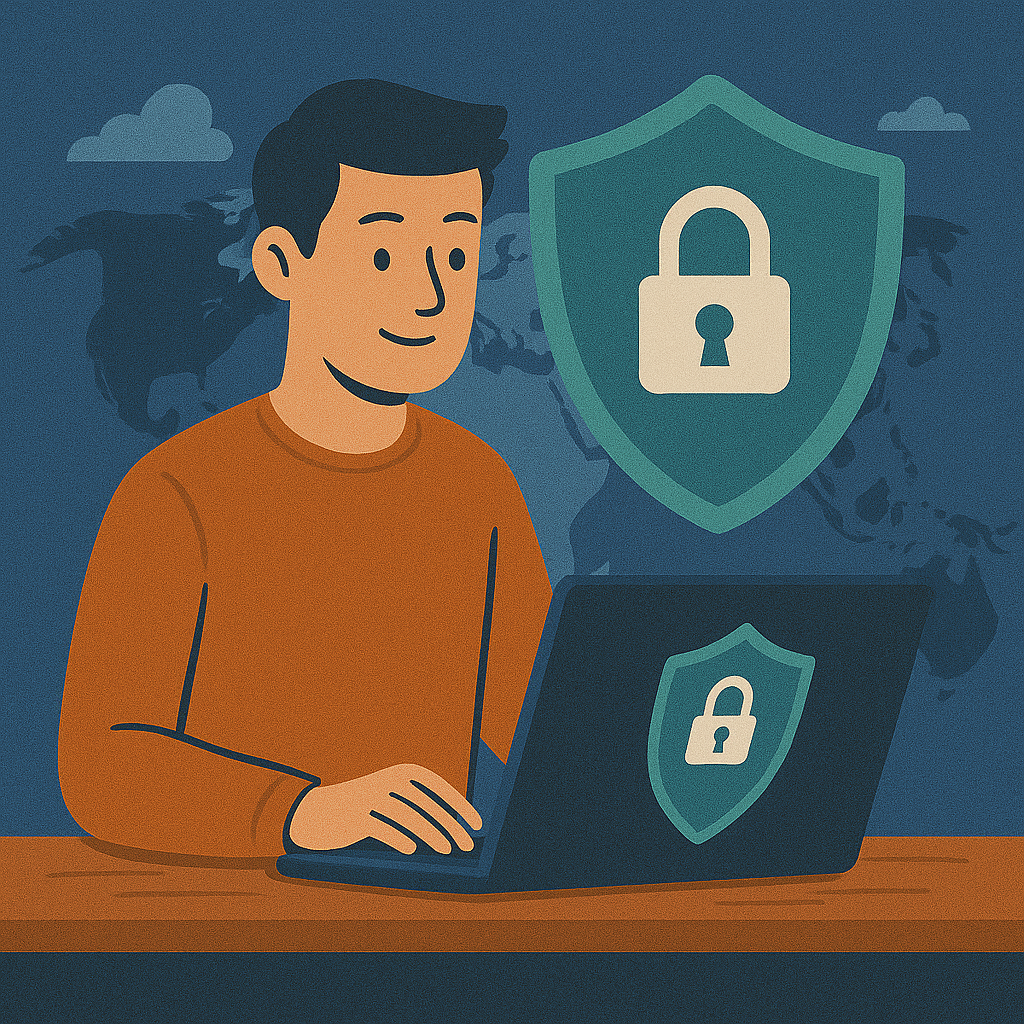
VPNs are not old technology. They are mature technology, and that matters when you want one tool that does several jobs at once.
Americans asking whether VPNs are obsolete are usually really asking something more practical: is there now a better consumer tool for privacy, streaming, and basic online protection? The honest answer is that there are good competitors for specific jobs, but there still is not a cleaner all-in-one replacement for most people.
If your main concern is casual privacy, start with the basics and compare this guide with free VPN, VPN for students, and dedicated IP. Those use cases explain why VPN demand has not disappeared in the U.S.; it has just become more selective.
Need the short version right now?
If you want one tool that covers privacy, safer public Wi-Fi, and a cleaner shot at streaming while traveling, VPNs still make the most sense. If you only want a narrow feature, other tools may be enough.
Disclosure: these are affiliate links.
According to Reddit, a VPN is still worth it in 2026 when the benefits are obvious and repeated.
That is the pattern you see in American discussions: people do not want abstract “privacy theater.” They want practical wins. On Reddit, the recurring reasons are familiar: reducing ISP tracking, hiding a home IP, dealing with public Wi-Fi, and getting fewer headaches when trying to stream or travel. The tone is usually not “VPN solves everything.” It is more like “VPN still solves enough to be worth paying for.”
That also explains why search intent around “is having a VPN worth it Reddit” stays alive. Users want pros and cons, not slogans. If you compare free VPN, student VPN, and dedicated IP, you can see the same thing: the more demanding the use case becomes, the more a real VPN still makes sense.
Less tracking by ISPs, cleaner travel streaming, safer public Wi-Fi, easier IP protection for gaming and remote use.
Some speed loss, occasional banking or shopping flags, and frustration when a cheap provider overpromises.
Are VPNs going to be banned in the U.S.? No broad consumer ban is in place.
For ordinary Americans, VPNs remain a normal privacy and security tool. There is no broad federal ban on using a VPN for private browsing, remote access, travel streaming, or safer public Wi-Fi use. That is one reason the “future-proof” question is still practical instead of speculative: the tool remains legal, mainstream, and relevant.
The stronger question is not whether VPNs will disappear. It is whether parts of the job will be split across more specialized tools. And that is probably true. But when people want one product that can protect traffic from local network exposure and still help with everyday privacy, VPNs stay near the top of the list.
Streaming in 2026 is not just about Netflix anymore.
For U.S. users, streaming value has shifted. It is not only about Netflix libraries; it is also about sports, travel, and blackout frustration. People care about Hulu, local team blackouts, league restrictions, and regional access problems that make a legal subscription feel less useful than it should. That is one reason VPNs remain part of the conversation in the U.S. market.
A VPN does not guarantee that every platform or event will work forever, but it can still be a practical tool when you are traveling or dealing with location-based restrictions. That is especially true for users who already pay for services and just want more consistent access while away from home.
Future Tech Comparison: who replaces what?
| Tool | Best at | Weak spot | Who it fits |
|---|---|---|---|
| VPN | General privacy, IP masking, safer Wi-Fi, travel streaming | Some speed cost, occasional service blocks | Most consumers |
| ZTNA | Enterprise access control and app-specific trust | Not built as a simple consumer privacy tool | Businesses and managed environments |
| Private Relay | Safari and Apple ecosystem privacy | Limited scope, not a full VPN replacement | Apple users with light privacy needs |
| Mesh / overlay tools | Private access between your own devices | Weak for broad public internet privacy | Advanced or niche users |
Why VPNs still hold the middle ground
Quick video: VPN basics still matter
If the video does not load, watch it directly on YouTube.
FAQ
Do I need a VPN in 2026?
Yes, many people still do. A VPN remains one of the easiest ways to combine encryption, IP masking, and reduced ISP visibility in one place.
Are VPNs becoming obsolete?
No. Specialized tools can replace pieces of the job, but most consumers still get broader value from a full VPN.
What technology is replacing VPN?
Nothing fully replaces it for consumers yet. ZTNA, Private Relay, and mesh tools each cover one slice of the problem, but not the whole package.
What is the disadvantage of a VPN?
The main downsides are some speed loss, occasional service blocks, and a little more friction with certain apps or banks.
Are VPNs going to be banned in the U.S.?
There is no broad federal ban on consumer VPN use in the U.S. They remain a normal privacy and security tool.
Is a VPN safe from hackers?
It helps against some network-level threats, but it does not replace good passwords, software updates, or phishing awareness.

About the author
Denys Shchur writes practical guides at VPN World about privacy, streaming, and the real trade-offs between free, cheap, and premium VPN services.
Want to move from theory to a real choice?
If your use case is regular privacy, safer public Wi-Fi, and fewer headaches on the road, a paid VPN is usually still the cleanest answer. If you are only testing the idea, start with free VPN and compare it against free vs paid VPN.
Disclosure: these are affiliate links.